Microsoft Word Unicode Converter Mongolian
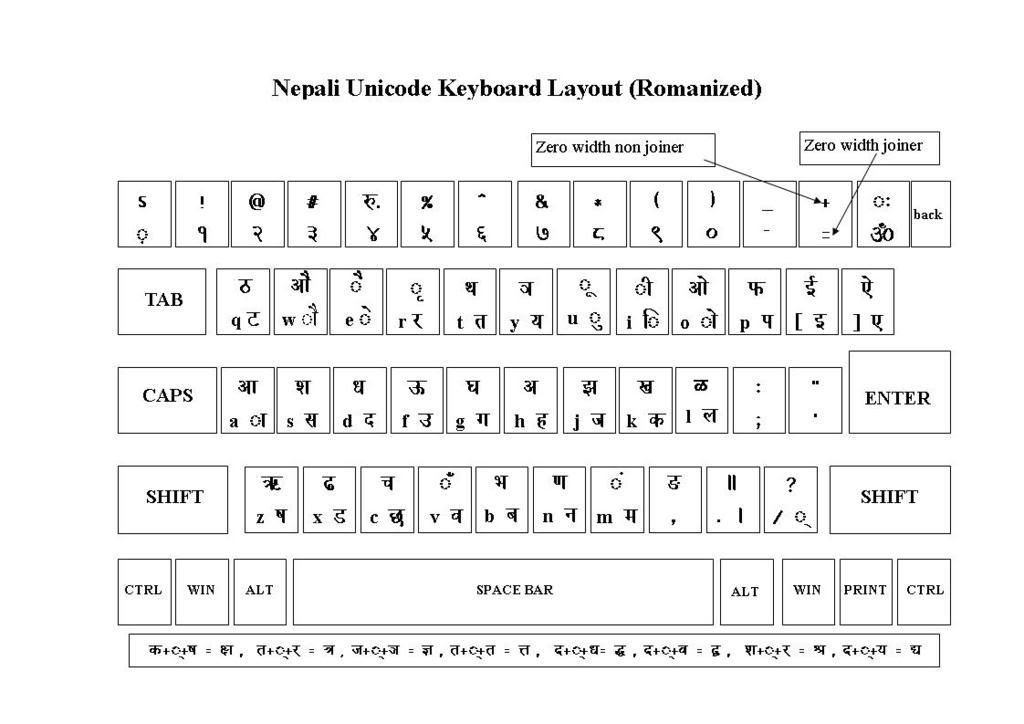
Inserting Unicode characters. To insert a Unicode character, type the character code, press ALT, and then press X. For example, to type a dollar symbol ($), type 0024, press ALT, and then press X. For more Unicode character codes, see Unicode character code charts by script. Inserting Unicode characters. To insert a Unicode character, type the character code, press ALT, and then press X. For example, to type a dollar symbol ($), type 0024, press ALT, and then press X. For more Unicode character codes, see Unicode character code charts by script.
Hello, Our users are experiencing a very discouraging issue in regards to how MS Word (in Windows) handles non-unicode characters. This issue is confirmed in both Word 2007 and the Word 2010 Beta using Windows XP SP3; I suspect it works the same way in 2003. Issue: 1) A user creates a document using a non-unicode font, entering characters to represent scientific notations. For example, he enters a Mu (µ). Note: I pasted in a unicode-compliant Mu for reference. 2) The user opens his document and attempts to copy / paste this non-unicode character representing a Mu into a web browser for entry into our system.
It pastes as an unrecognized character. This is expected. 3) The user opens his document, selects the non-unicode character and adjusts its font to 'Arial Unicode MS,' saving the document.
Emulator android selain bluestacks, bluestacks alternatif, genymotion, droid4x, andy, android-x86, windroye, youwave. Aplikasi tokopedia untuk pc.
So once you copy the Cubase script files to the “ Devices” folder they’ll load and work. Cubase patch scripts downloads. The only thing I need to add to the file parsing is to directly ID them to know for sure that files people may place there later are actually Cubase script files. It will create a new directory named Devices instead, to hold the Cubase script files. In that directory you’d just drop in all the script folders like below.
He closes / re-opens the document for good measure. Once re-opened, he copies what should be a unicode Mu and pastes it into the web browser. It is still represented as an unrecognized character. 4) The user creates a new document, sets the font to 'Arial Unciode MS' and creates a Mu. He copies this Mu into the web browser and it pastes over in Unicode, as expected. Conclusion: Word is not actually converting non-unicode characters into unicode characters when it should, when a unicode font is selected. Instead, it is taking a best-guess for display reasons but doing no actual conversion.
How do I overcome this problem? * Can I change some setting in Word to force a conversion? * Is there a 'cleaner' app or Word macro that will do this?
* Other solutions? Additional Notes: * Re-typing the affected documents using unicode is not an option * This is not an issue in Mac OS X using the most recent version of Word. A sample case such as in (3) results in a unicode Mu being pasted into the browser.