
Difference Between Serial And Random Access Memory Images
RAM, ROM, and Flash Memory So, what are RAM, ROM, and flash memory? All three are kinds of computer memory, but RAM, ROM, and flash memory interact each in their own way with the data that they store. Here’s a quick explanation of each kind of memory: • RAM: Stands for random access memory; refers to memory that the microprocessor can read from and write to.
When you create something in memory, it’s done in RAM. RAM is memory and vice versa. • ROM: Stands for read-only memory. The microprocessor can read from ROM, but it can’t write to it or modify it. ROM is permanent. Often, ROM chips contain special instructions for the computer — important stuff that never changes.
The microprocessor can access information stored on a ROM chip whenever it needs to. The instructions are always there because they’re not erasable.
• Flash memory: A special type of memory that works like both RAM and ROM. You can write information to flash memory, like you can with RAM, but that information isn’t erased when the power is off, like it is with ROM. Sadly, flash memory isn’t as fast as RAM, so don’t expect it to replace standard computer memory any time soon.
Apr 25, 2016 - Volatile memory is used as random access memory (RAM). Differences in chip fabrication processes can impact quality, timing,. Flash (CF) cards, and was a good choice for storing OS images, system boot loaders, and system configuration information. However, it's restricted to a serial interface. RAM (Random Access Memory) is a fast accessible memory that stores data during its operation while ROM (Read Only Memory) stores permanent data that is used for its functions, such as the information for booting the computer.
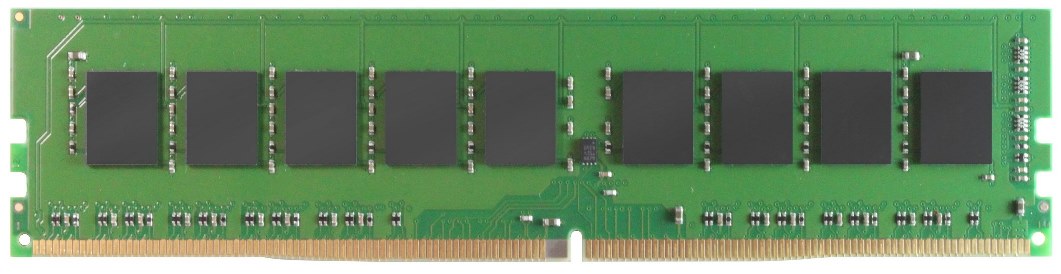
Example of random-access memory: Synchronous, primarily used as main memory in,,. Random-access memory ( RAM ) is a form of that stores and currently being used. A memory device allows items to be or written in almost the same amount of time irrespective of the physical location of data inside the memory. In contrast, with other direct-access data storage media such as,, and the older and, the time required to read and write data items varies significantly depending on their physical locations on the recording medium, due to mechanical limitations such as media rotation speeds and arm movement.
RAM contains and circuitry, to connect the data lines to the addressed storage for reading or writing the entry. Usually more than one bit of storage is accessed by the same address, and RAM devices often have multiple data lines and are said to be '8-bit' or '16-bit', etc.
In today's technology, random-access memory takes the form of. RAM is normally associated with types of memory (such as ), where stored information is lost if power is removed, although non-volatile RAM has also been developed. Other types of exist that allow random access for read operations, but either do not allow write operations or have other kinds of limitations on them. These include most types of and a type of called. Integrated-circuit RAM chips came into the market in the early 1970s, with the first commercially available DRAM chip, the, introduced in October 1970. 1 Megabit chip – one of the last models developed by in 1989 Early computers used, or for main memory functions.
Ultrasonic delay lines could only reproduce data in the order it was written. Could be expanded at relatively low cost but efficient retrieval of memory items required knowledge of the physical layout of the drum to optimize speed. Free ecu flash software download. Super mario 3d land 3ds code for free1066696 free. Latches built out of, and later, out of discrete, were used for smaller and faster memories such as registers. Such registers were relatively large and too costly to use for large amounts of data; generally only a few dozen or few hundred bits of such memory could be provided. The first practical form of random-access memory was the starting in 1947. It stored data as electrically charged spots on the face of a. Since the electron beam of the CRT could read and write the spots on the tube in any order, memory was random access.